Jochen Klein
1 May – 26 July, 2026
Between Bridges
Adalbertstraße 43
10179 Berlin
Thursday to Sunday, 1–6 pm
Monday–Wednesday by appointment
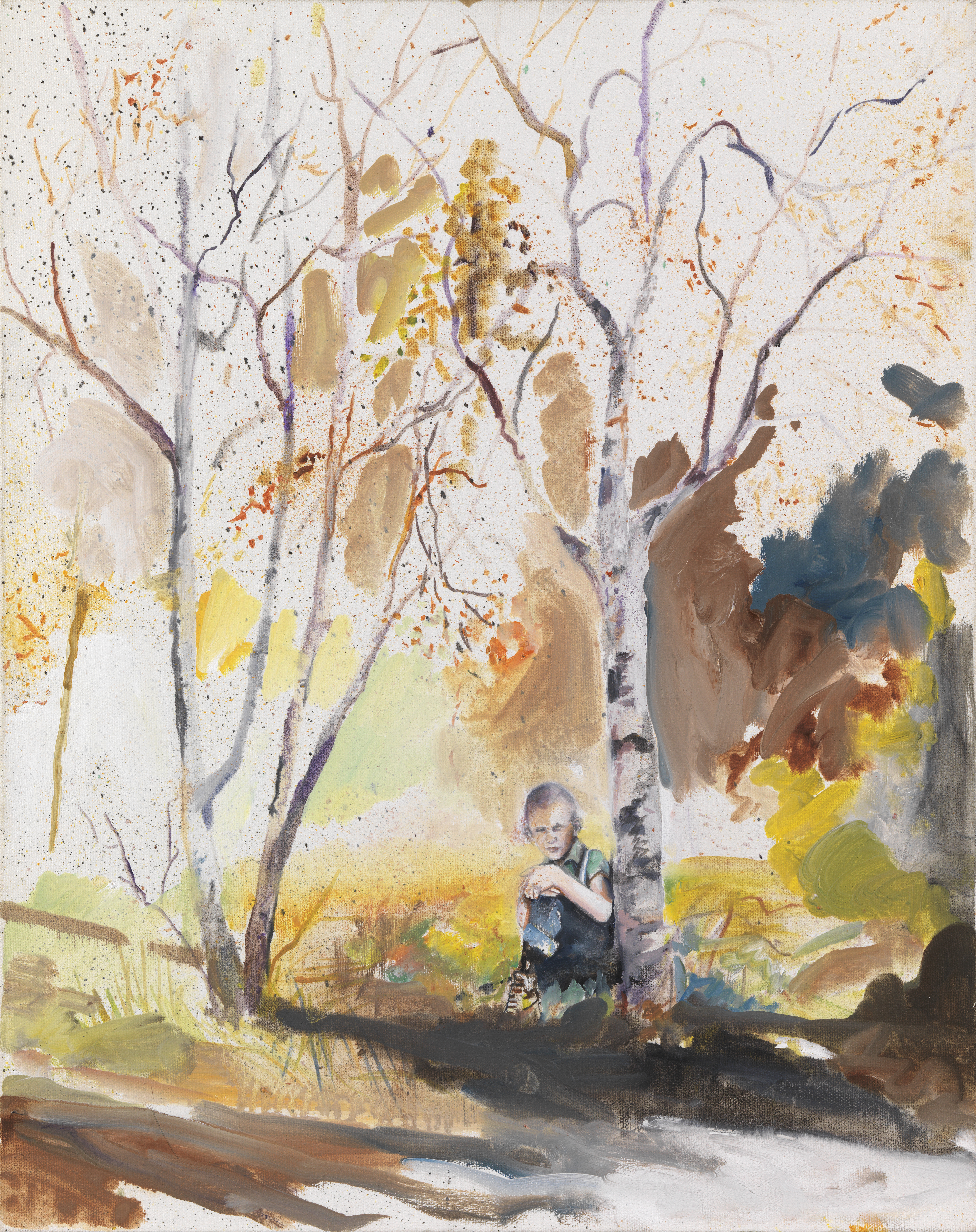
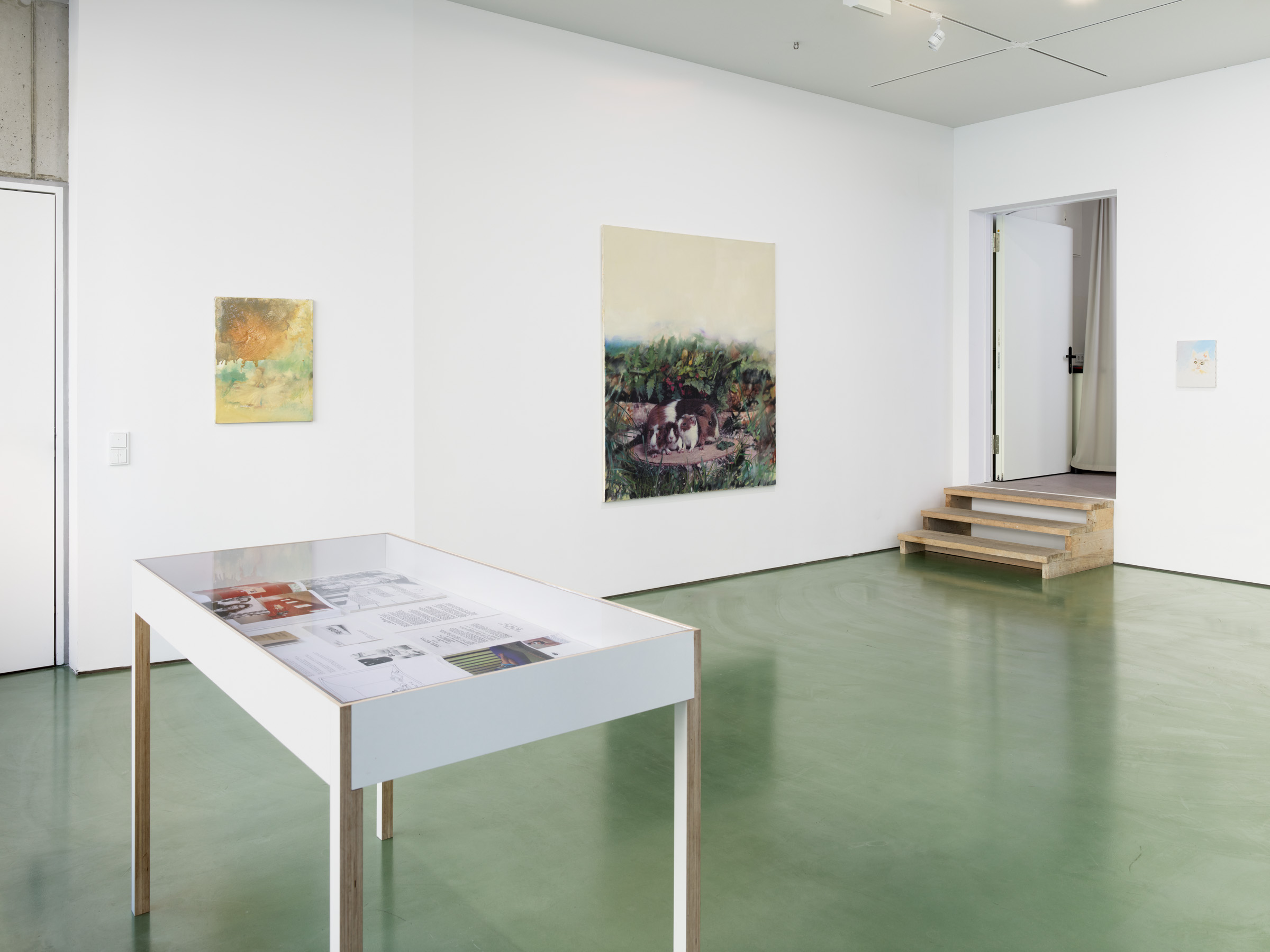
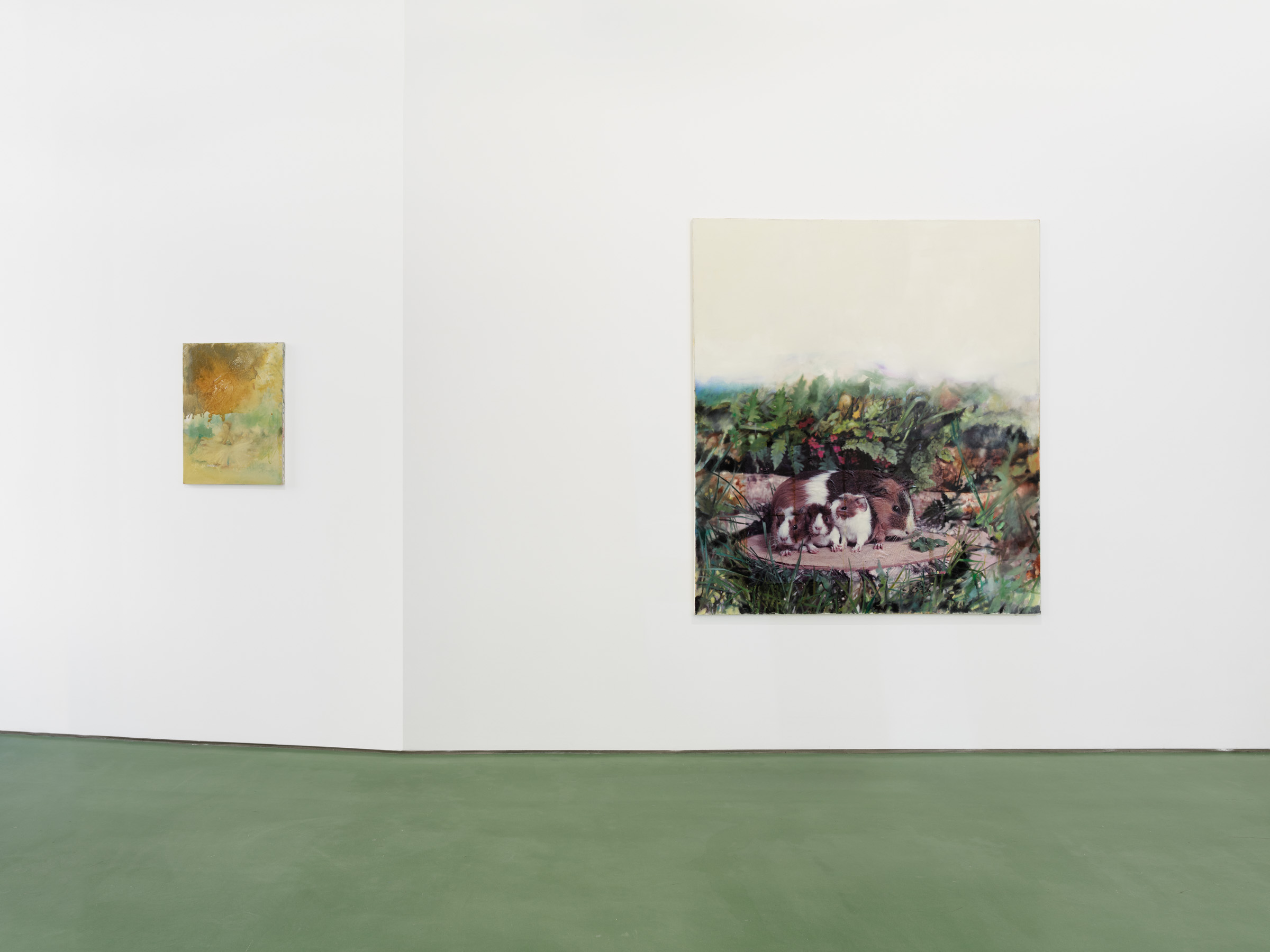
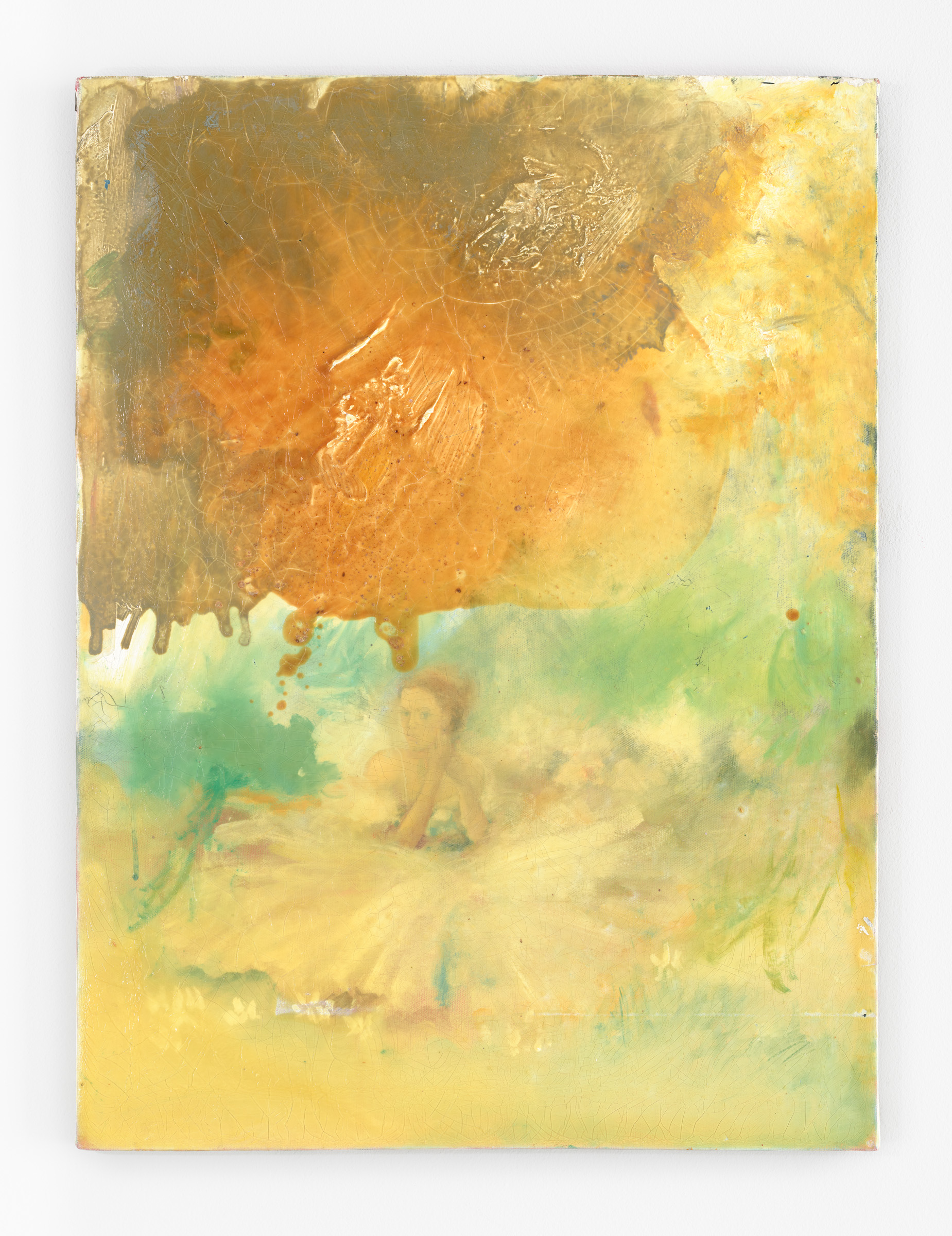
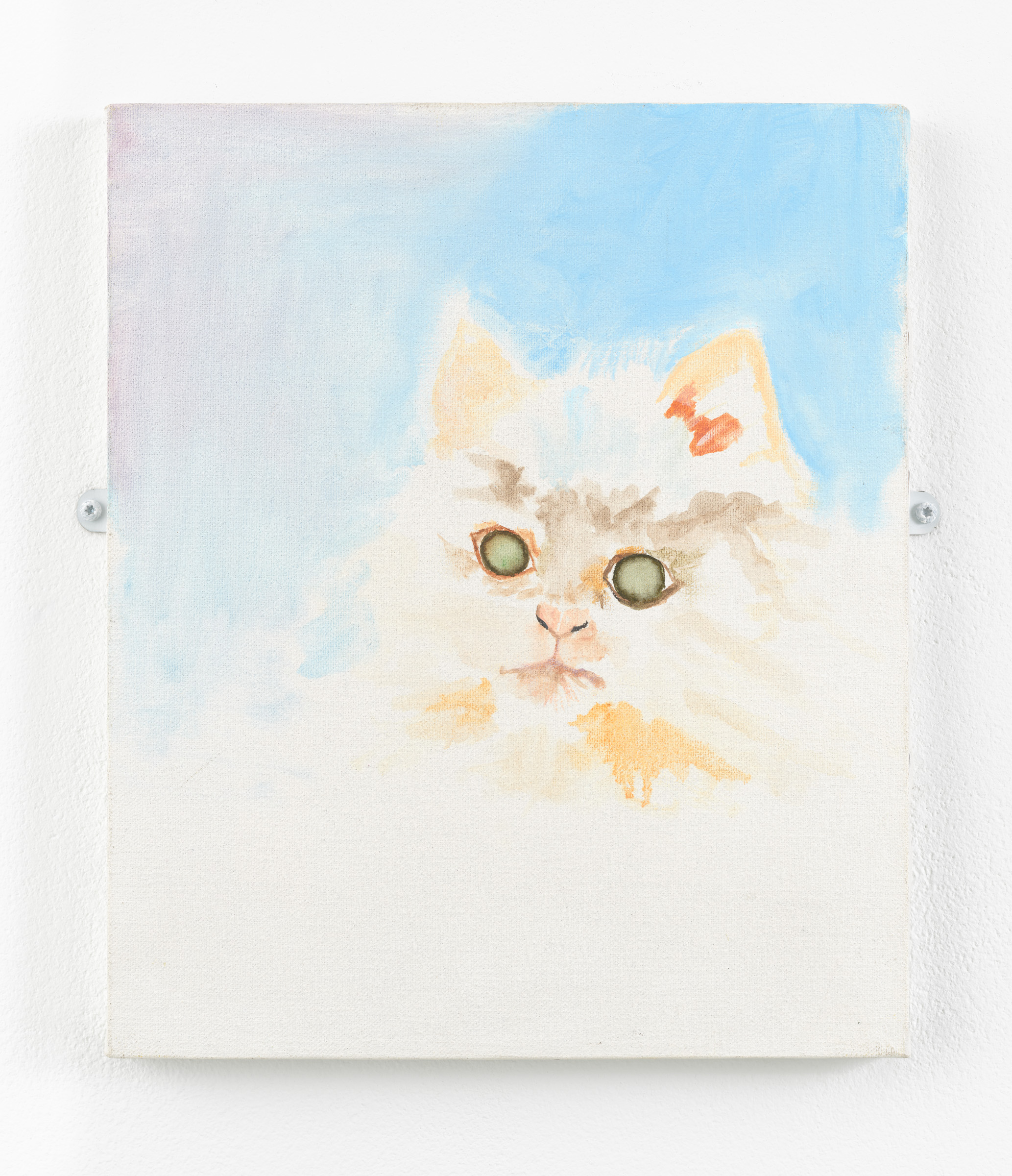
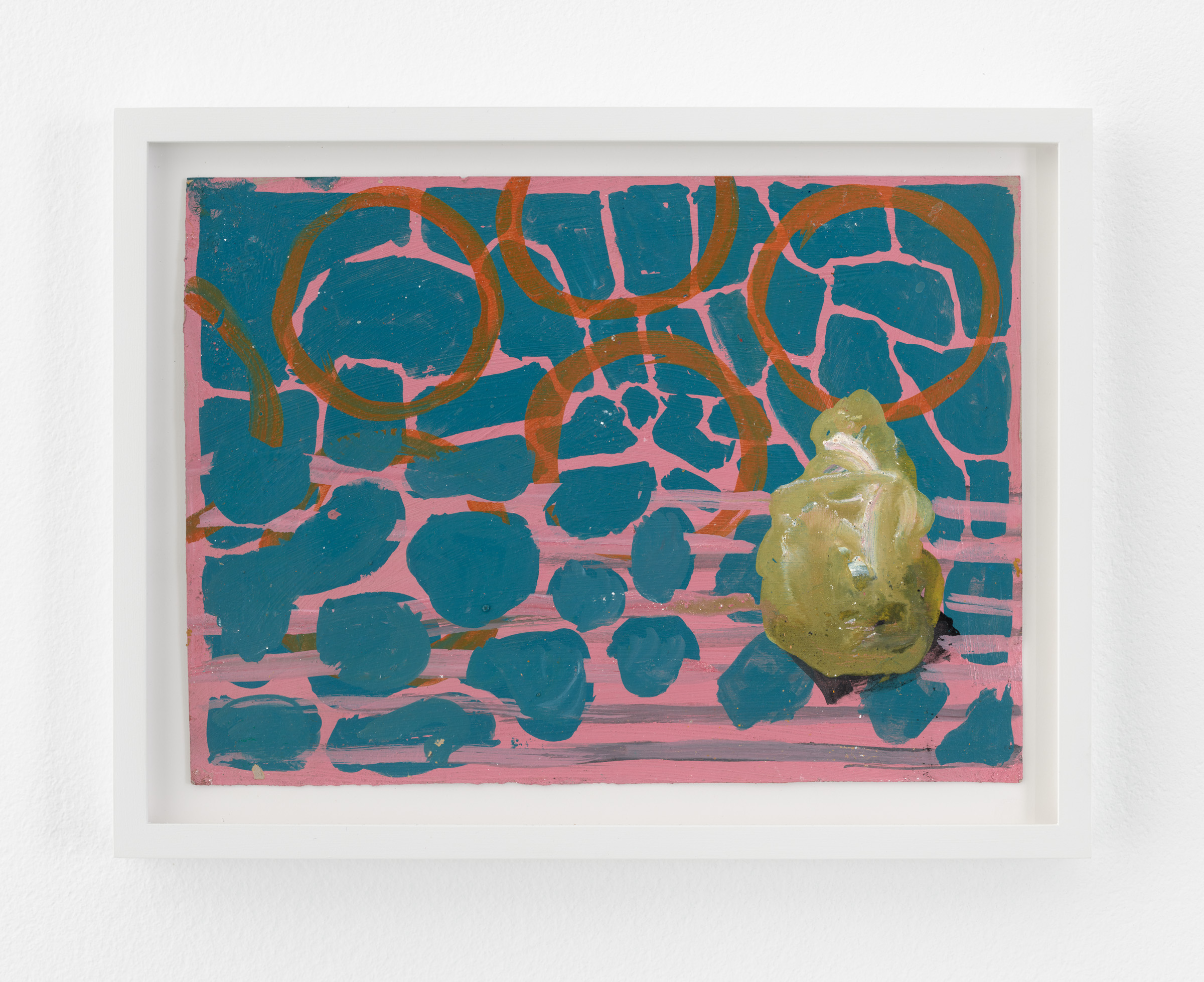
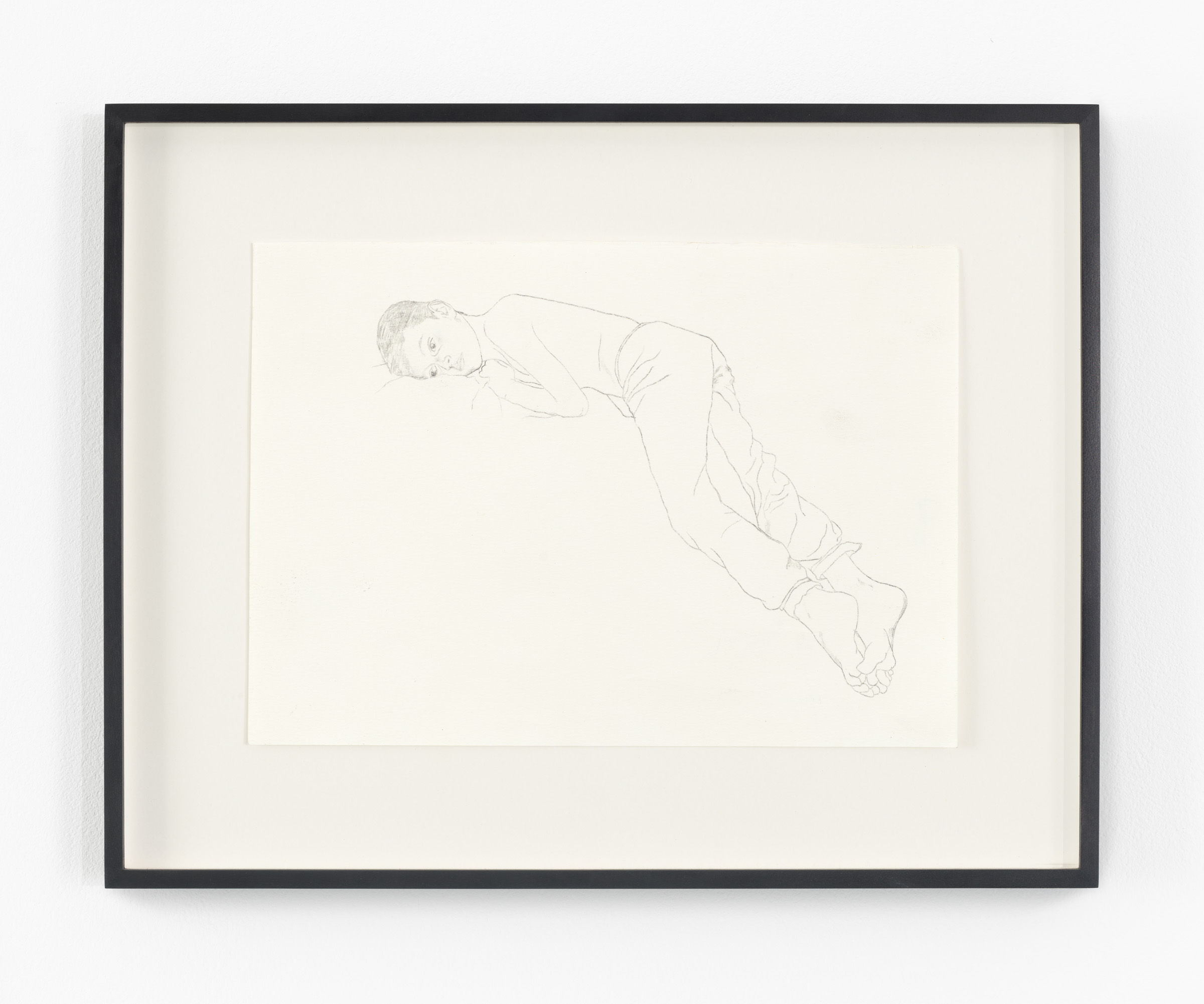
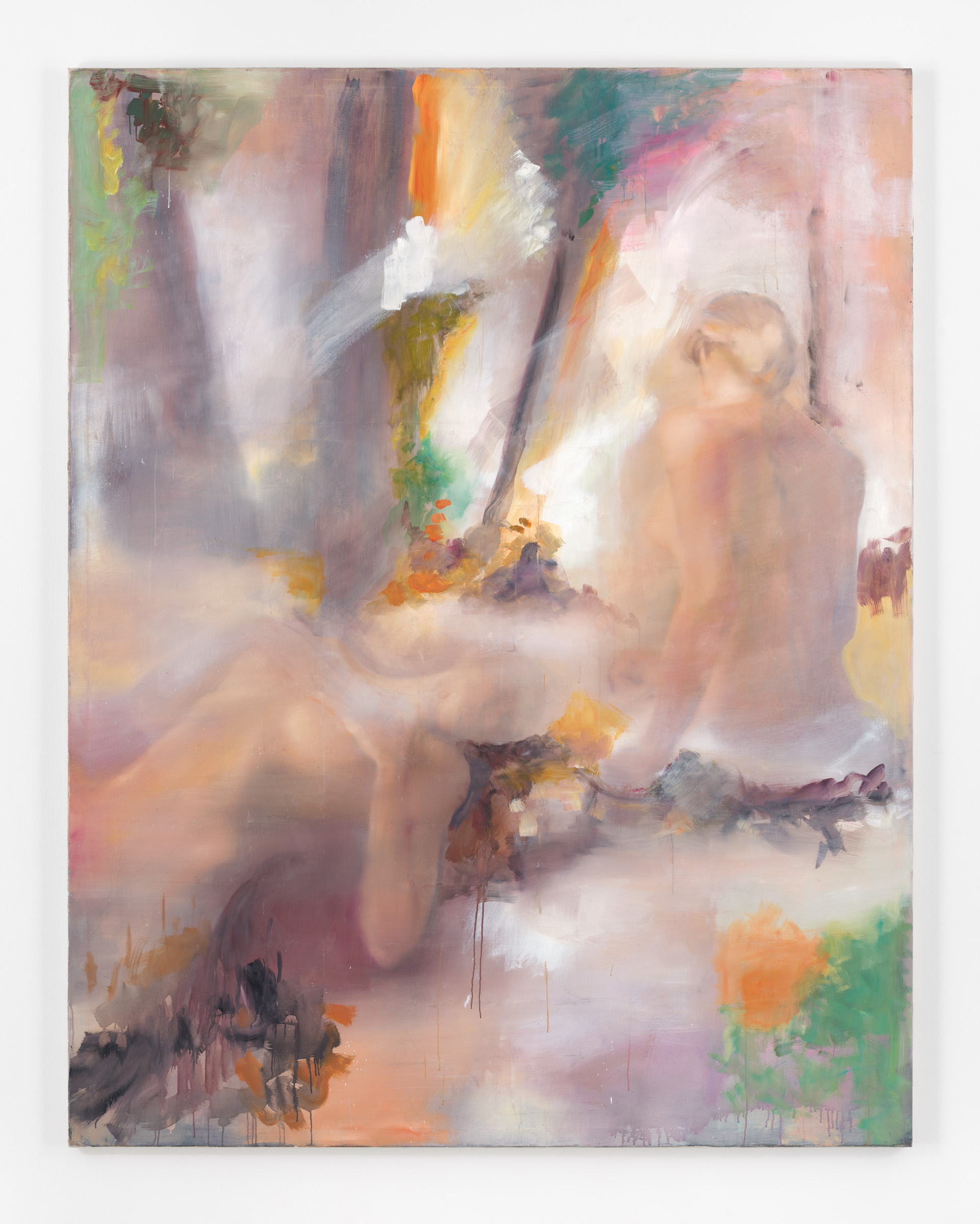
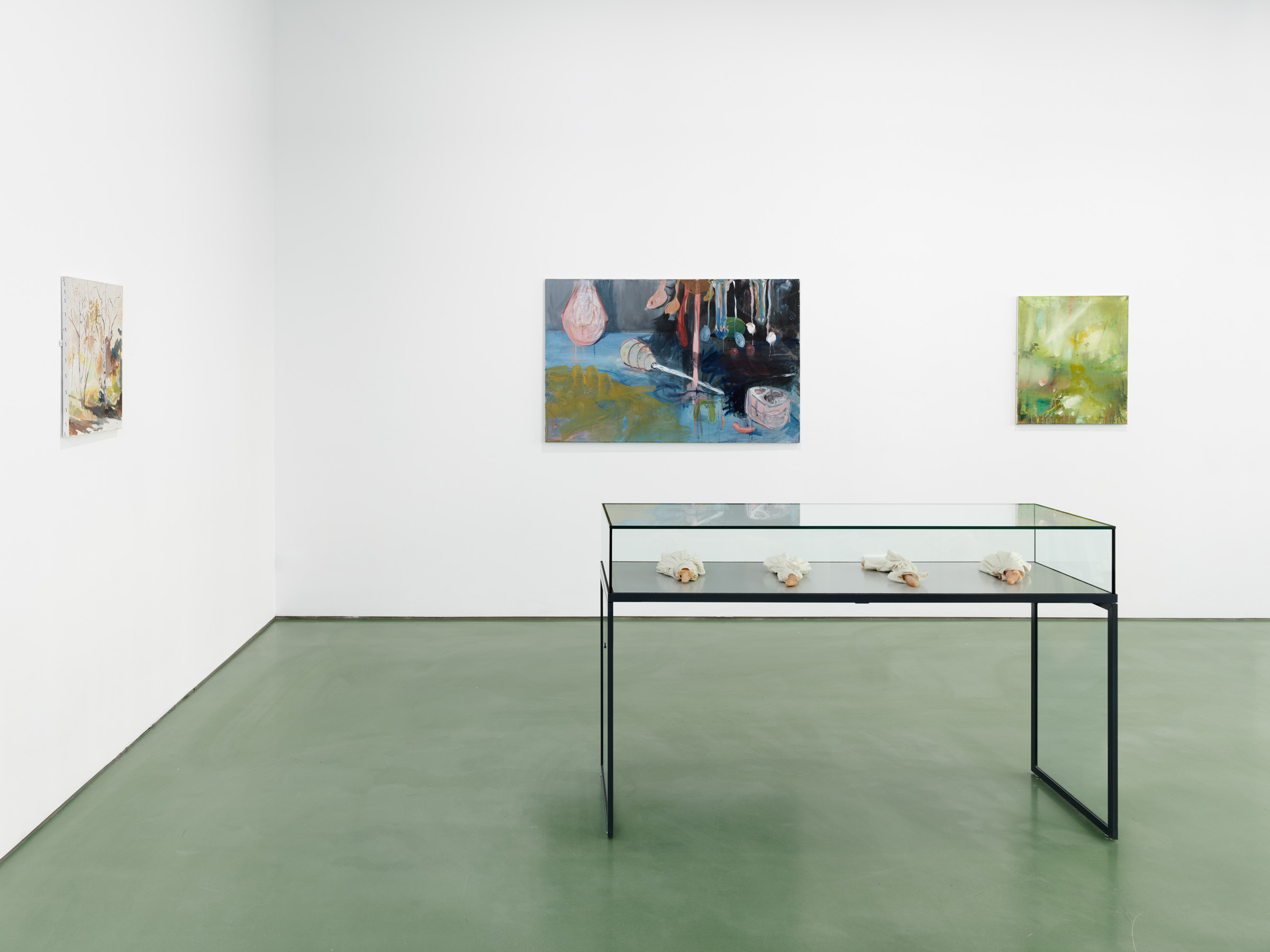
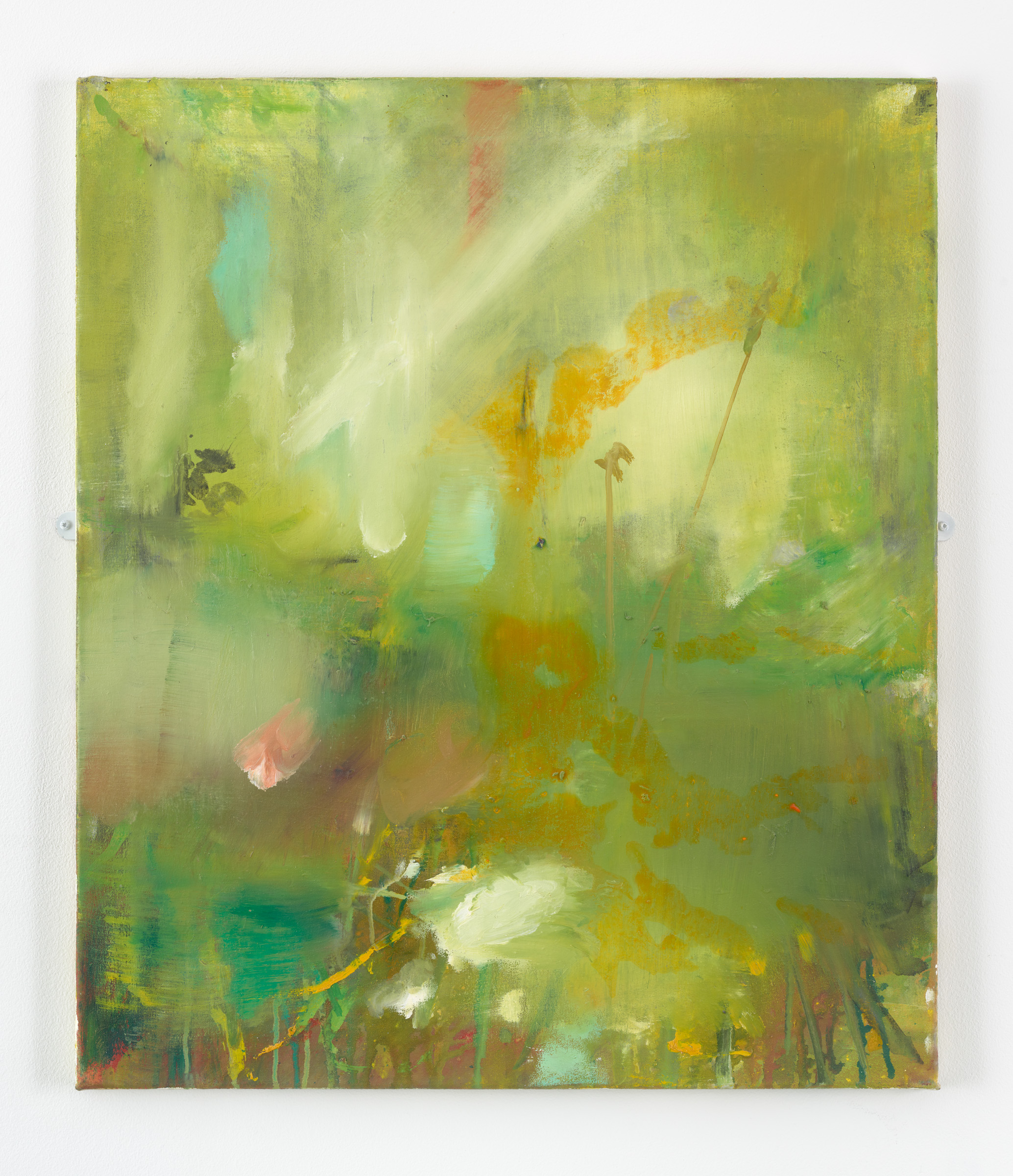
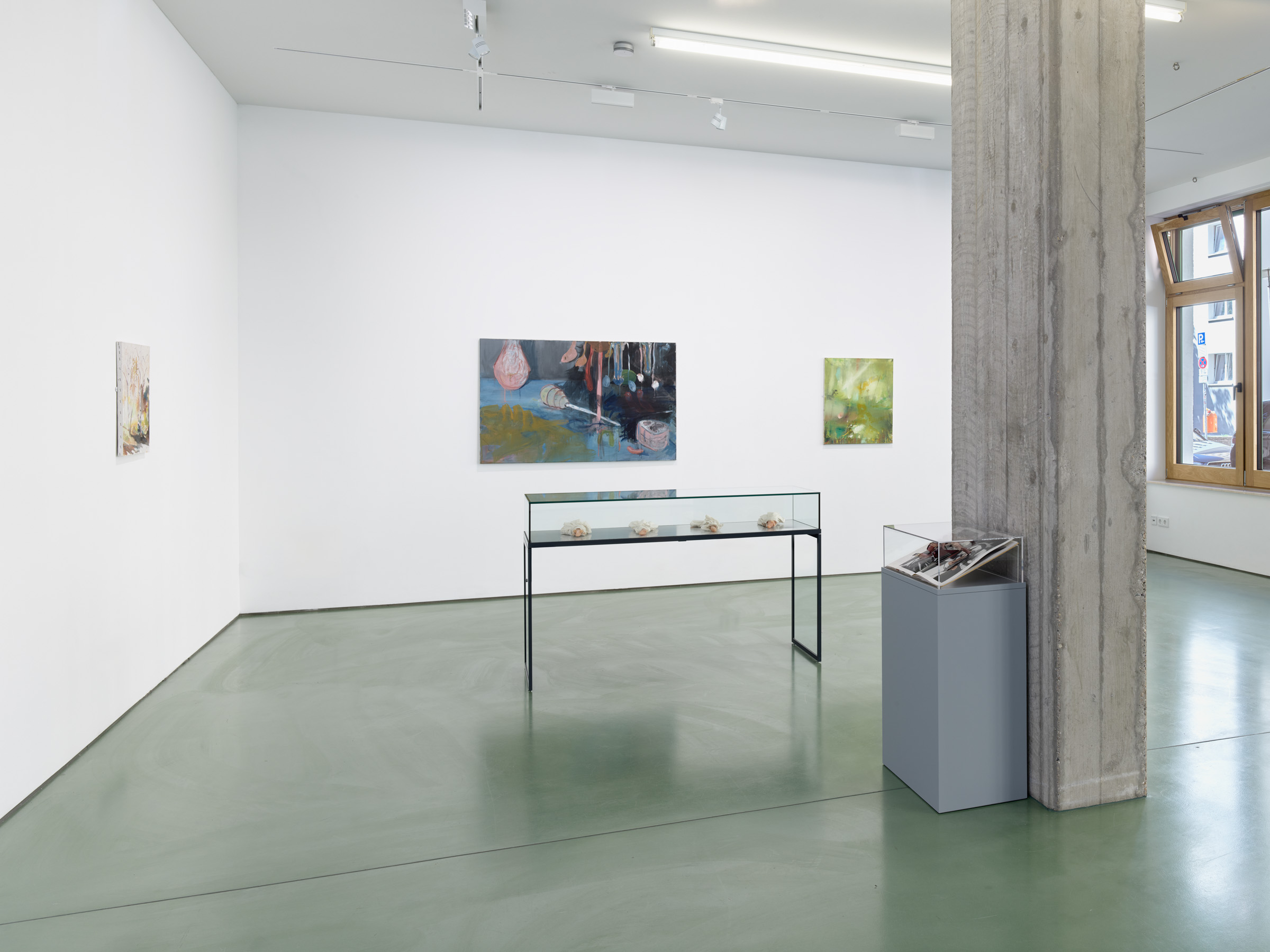
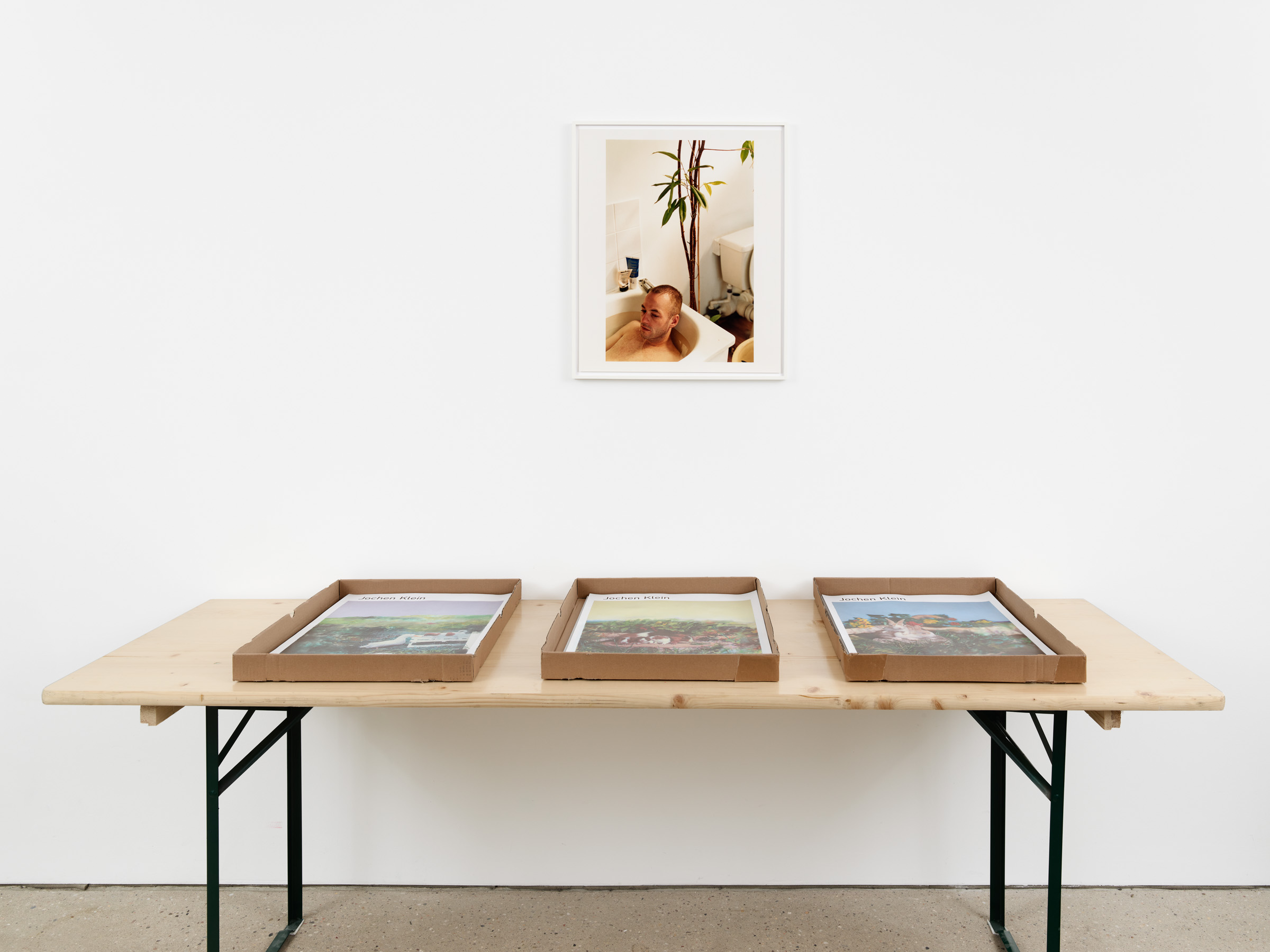
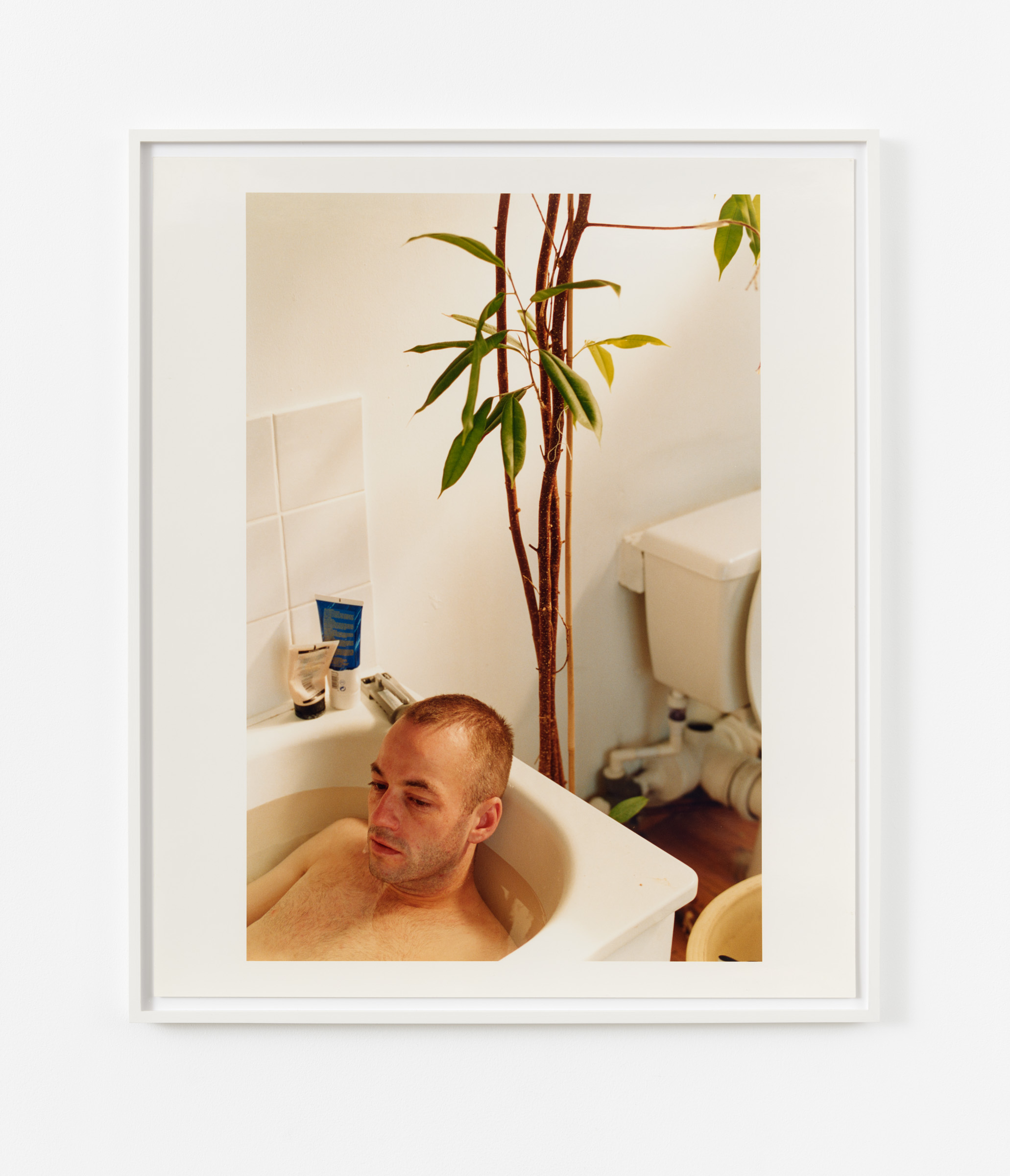
Between Bridges is pleased to announce an exhibition of work by the late Jochen Klein (1967 – 1997), opening 30 April, 2026 to coincide with Berlin Gallery Weekend. The exhibition is the first solo presentation of Klein's work in Berlin, bringing together paintings, sculptures, works on paper, and collaborative pieces spanning the breadth of his career, from his earliest student work in Munich to the final paintings made in London in the last months of his life.
Jochen Klein was born in Giengen an der Brenz in 1967 and grew up in Munich, where he enrolled at the Kunstakademie München in 1989, studying under painter Hans Baschang in a class that collectively found itself questioning the role of painting in the 1990s.
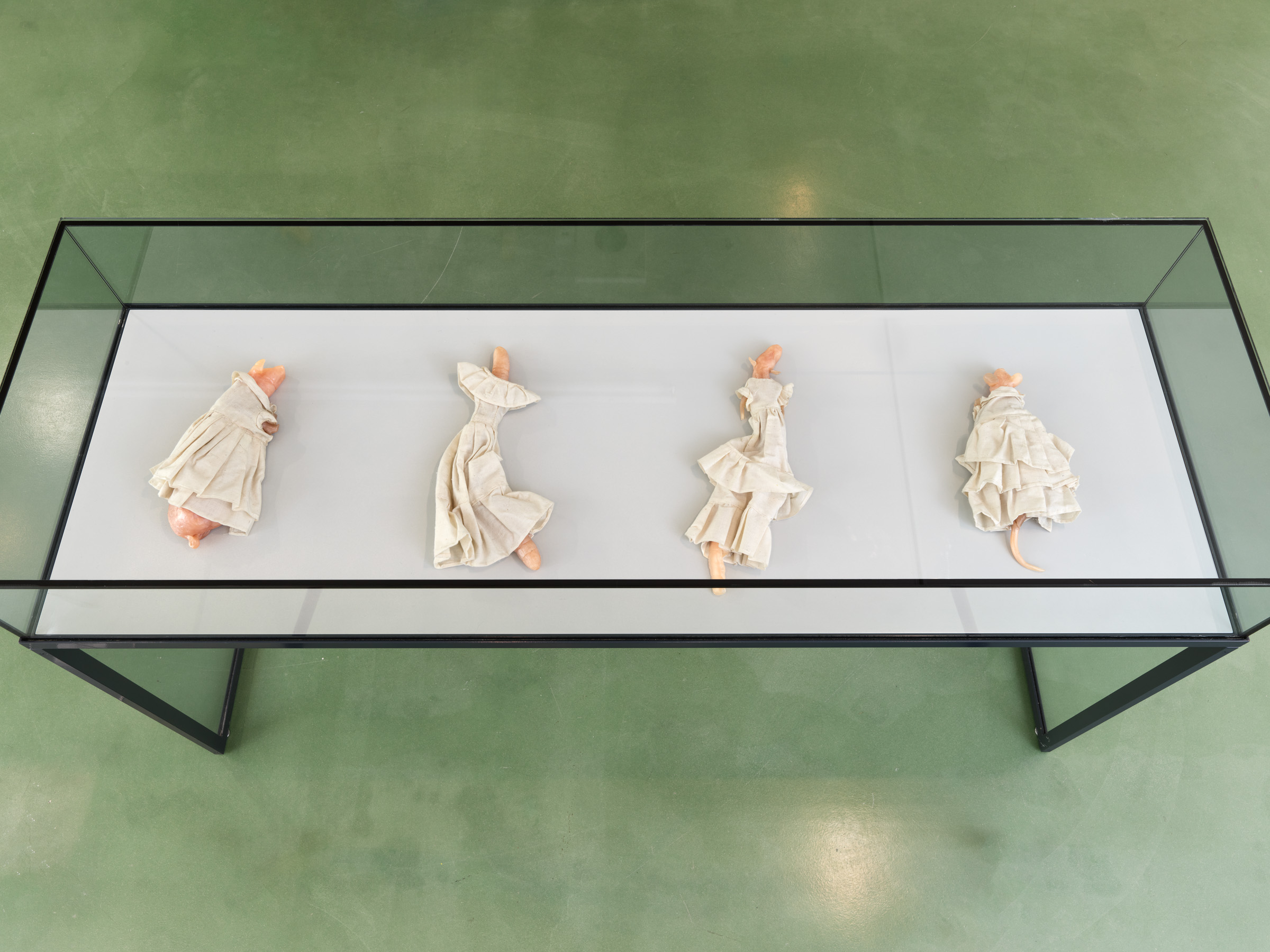
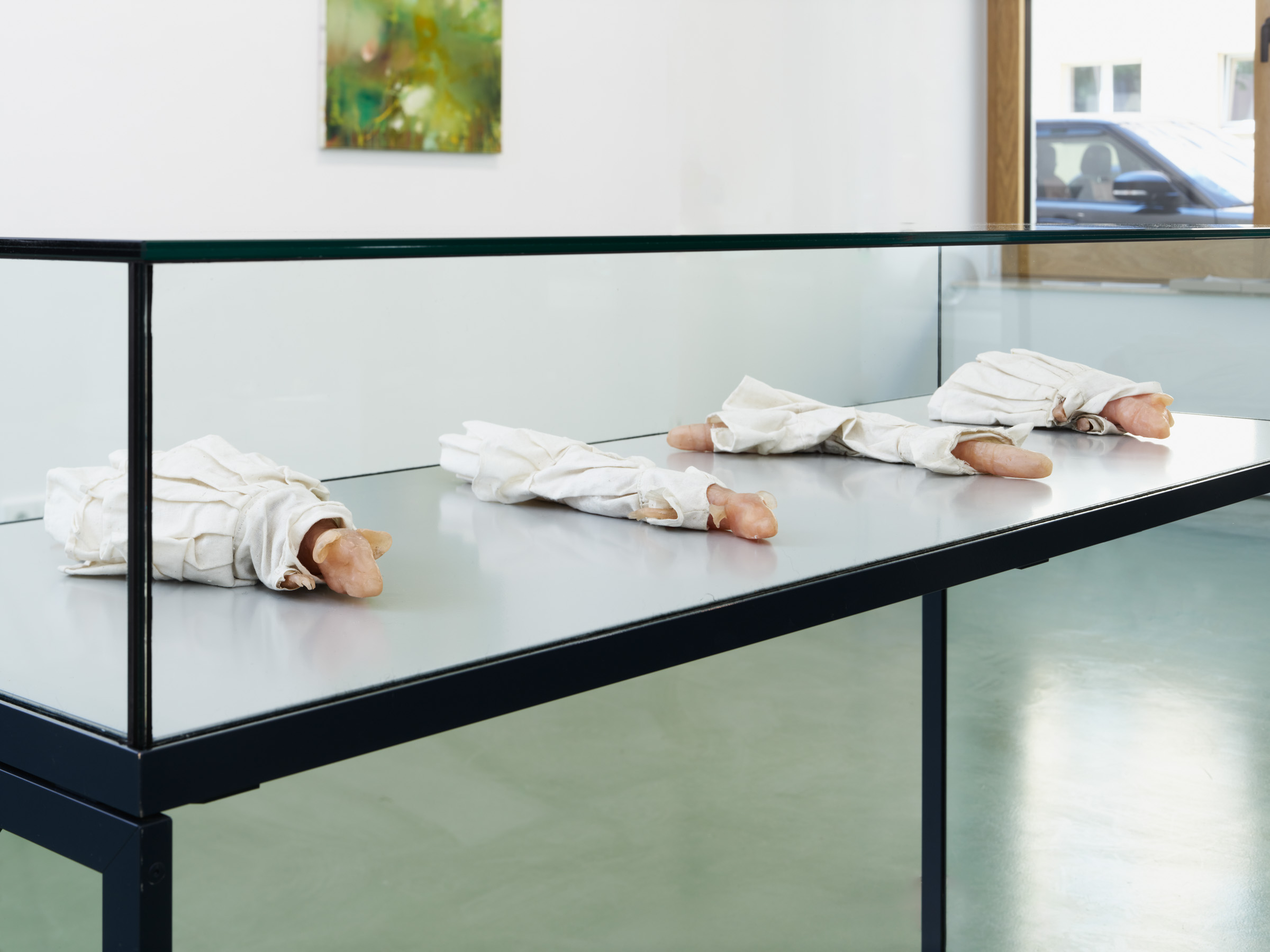
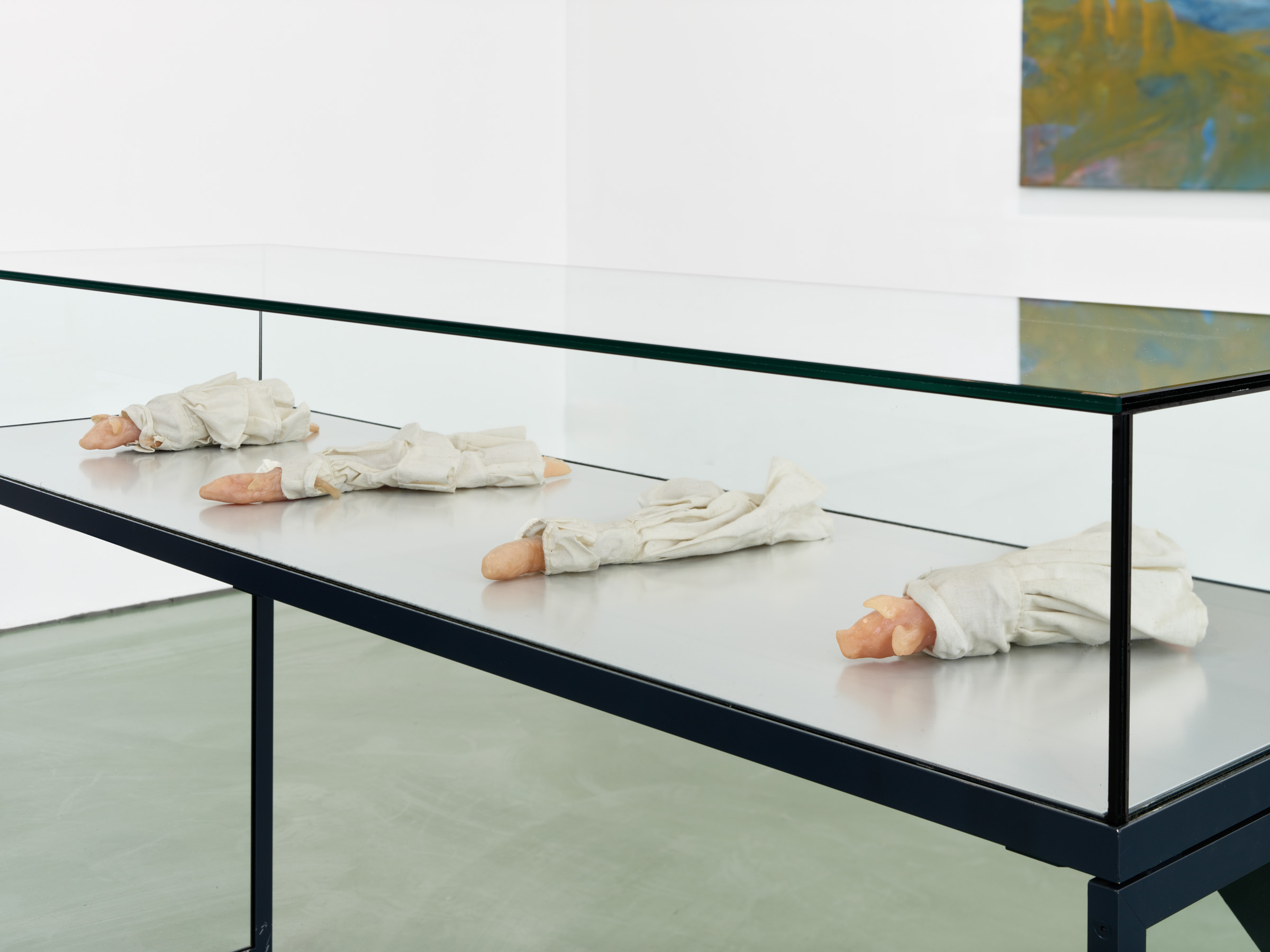
Among Klein's earliest surviving works are small sculptures from around 1990: four flesh-coloured wax animals dressed in muslin robes. They display a formative interest in the relationship between vulnerability and the uncanny that would define much of his later work. His earliest paintings depicted the empty ballrooms and staircases of Bavarian royal palaces, investigations into, rather than celebrations of, glamour and unstable fantasies of power.
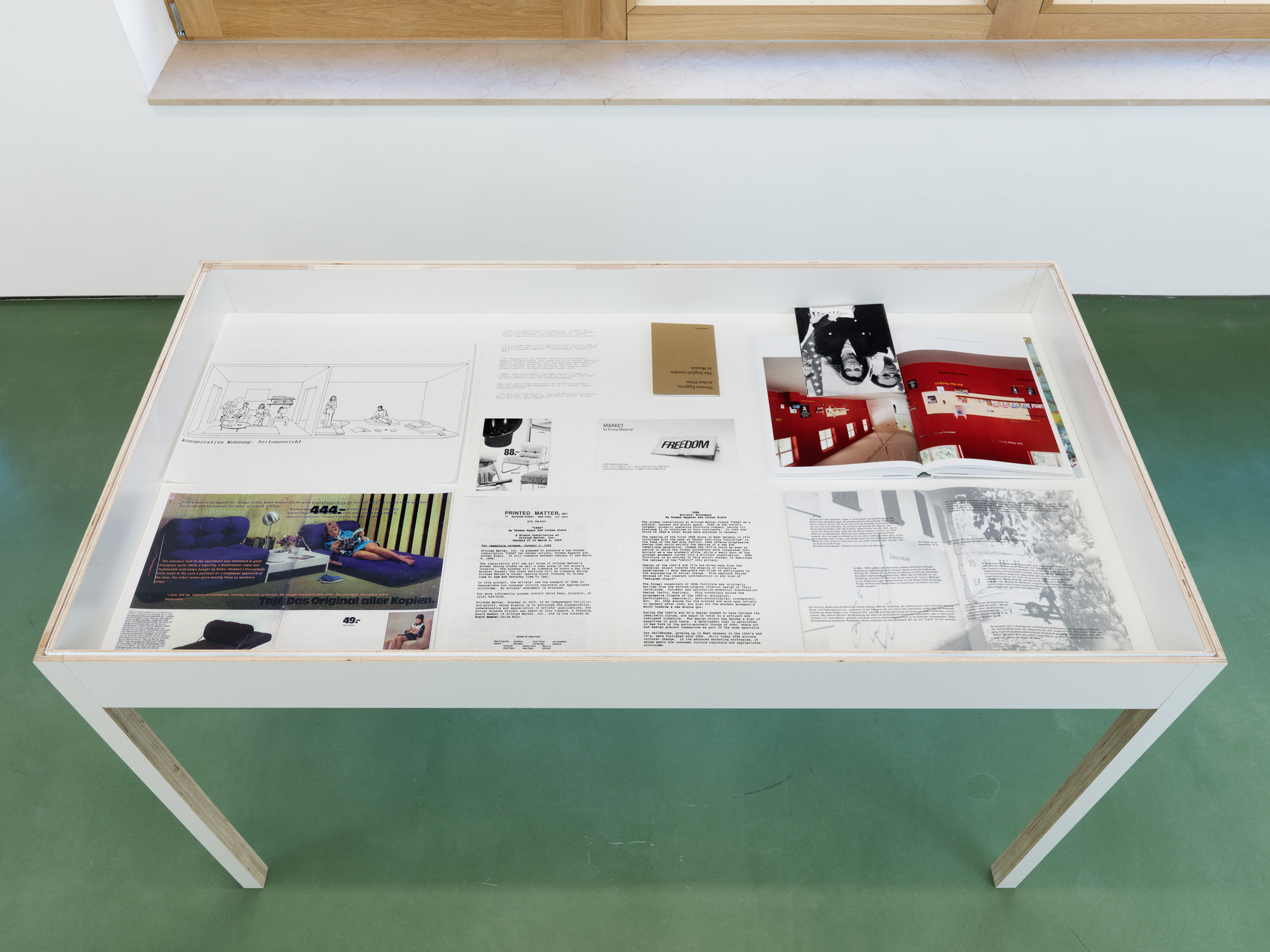
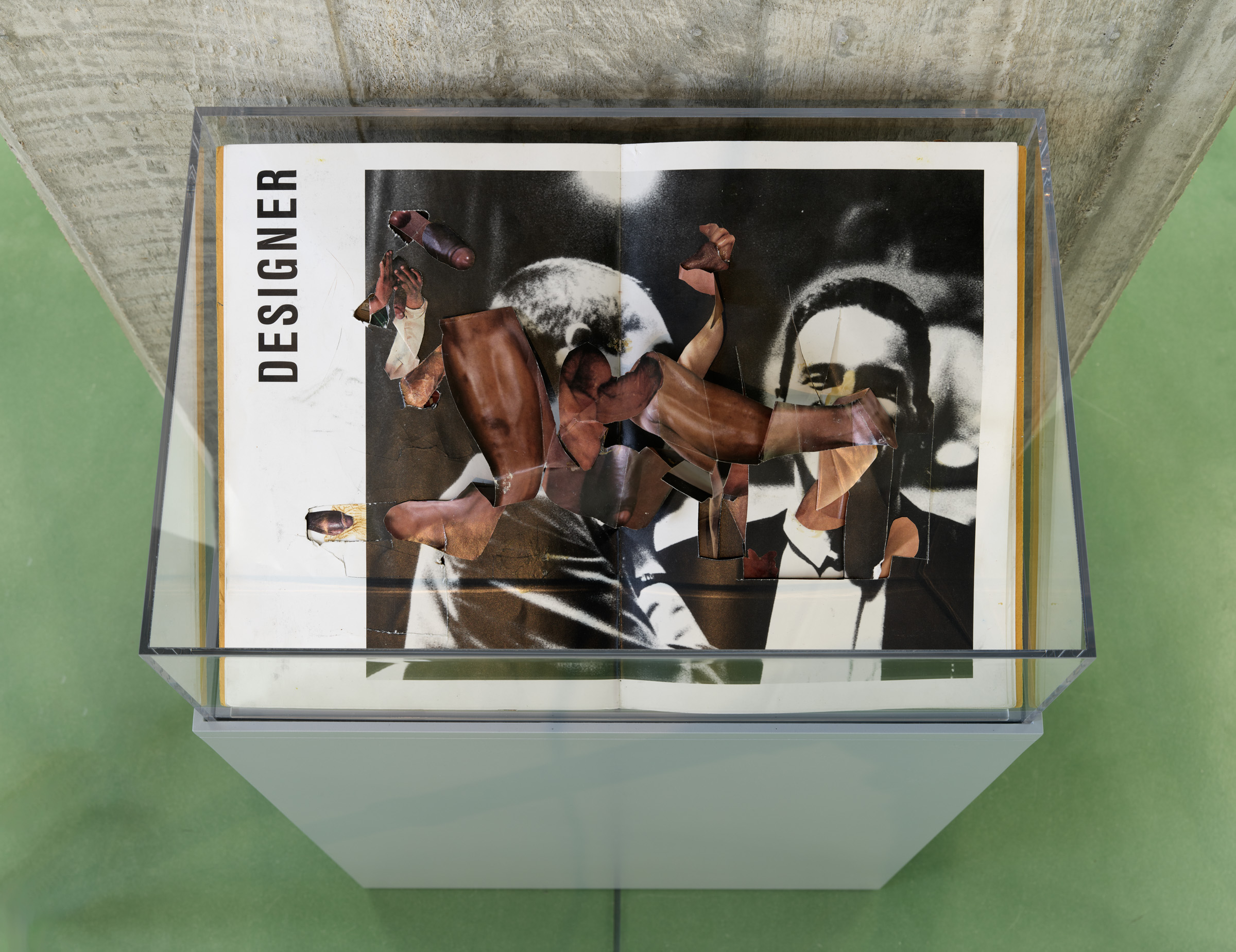
This preoccupation found more explicit expression when Klein and fellow student Thomas Eggerer began, in 1993, a critical engagement with Munich's English Garden, exploring how it functioned as a display of Baroque aesthetic power subverted by the nightly cruisings of gay men. Their participation in the group exhibition Die Utopie des Designs at the Kunstverein München in 1994, under the mentorship of Helmut Draxler, marked the emergence of a shared practice rooted in close attention to the ordinary life of the city.
Klein left the Kunstakademie in 1994 and moved to New York, where he joined the conceptual art collective Group Material alongside Eggerer. Working with the collective, he helped stage exhibitions examining gentrification, queer politics, and the aesthetics of kitsch. The 1996 collaboration IKEA took the form of a publication mimicking the retailer's catalogue, asking what kind of flat-pack life it is possible to sell, and to whom. The domestic interior, like the English Garden or a Baroque palace, is treated as a spatial argument about the aesthetic structures of power.
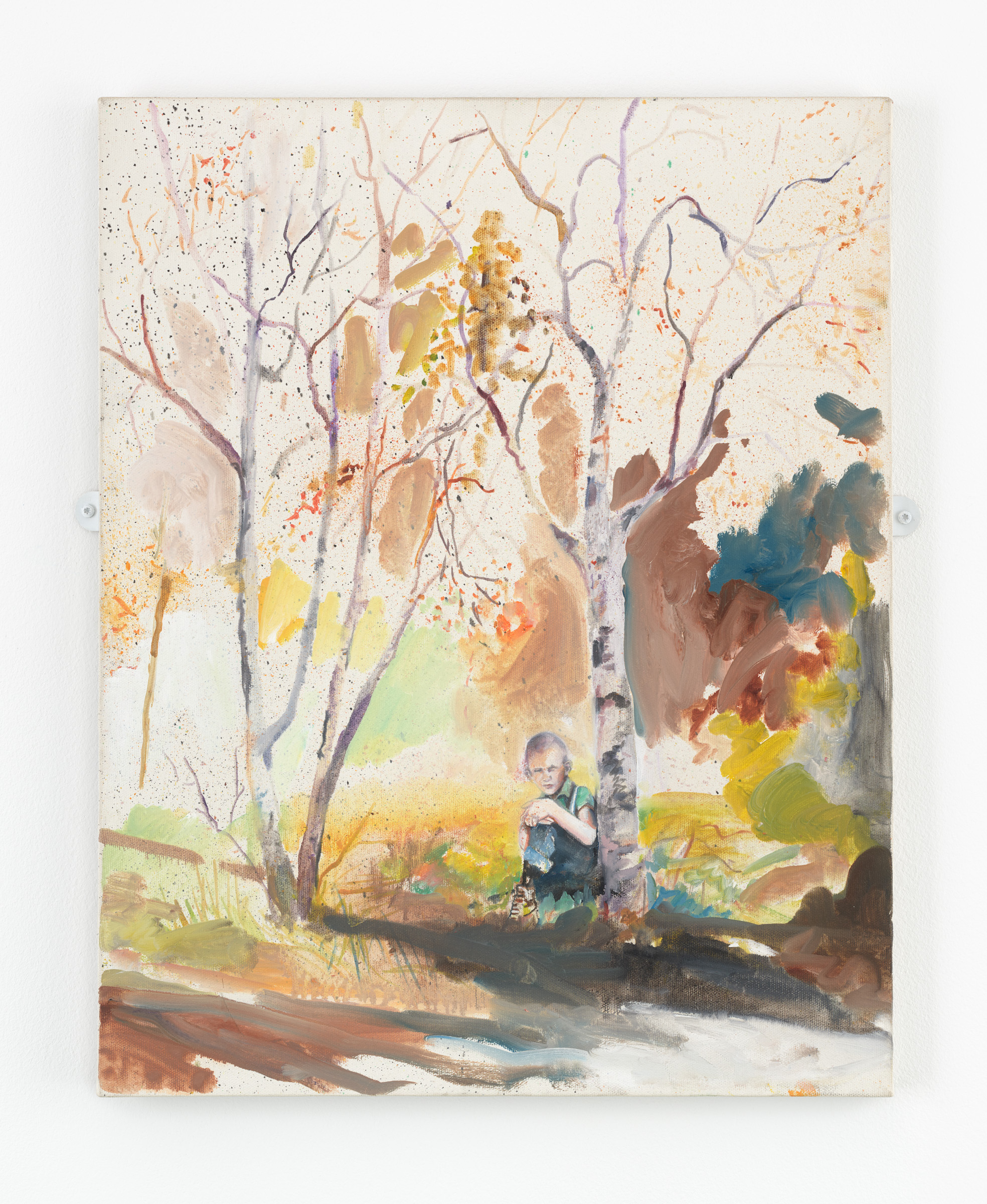
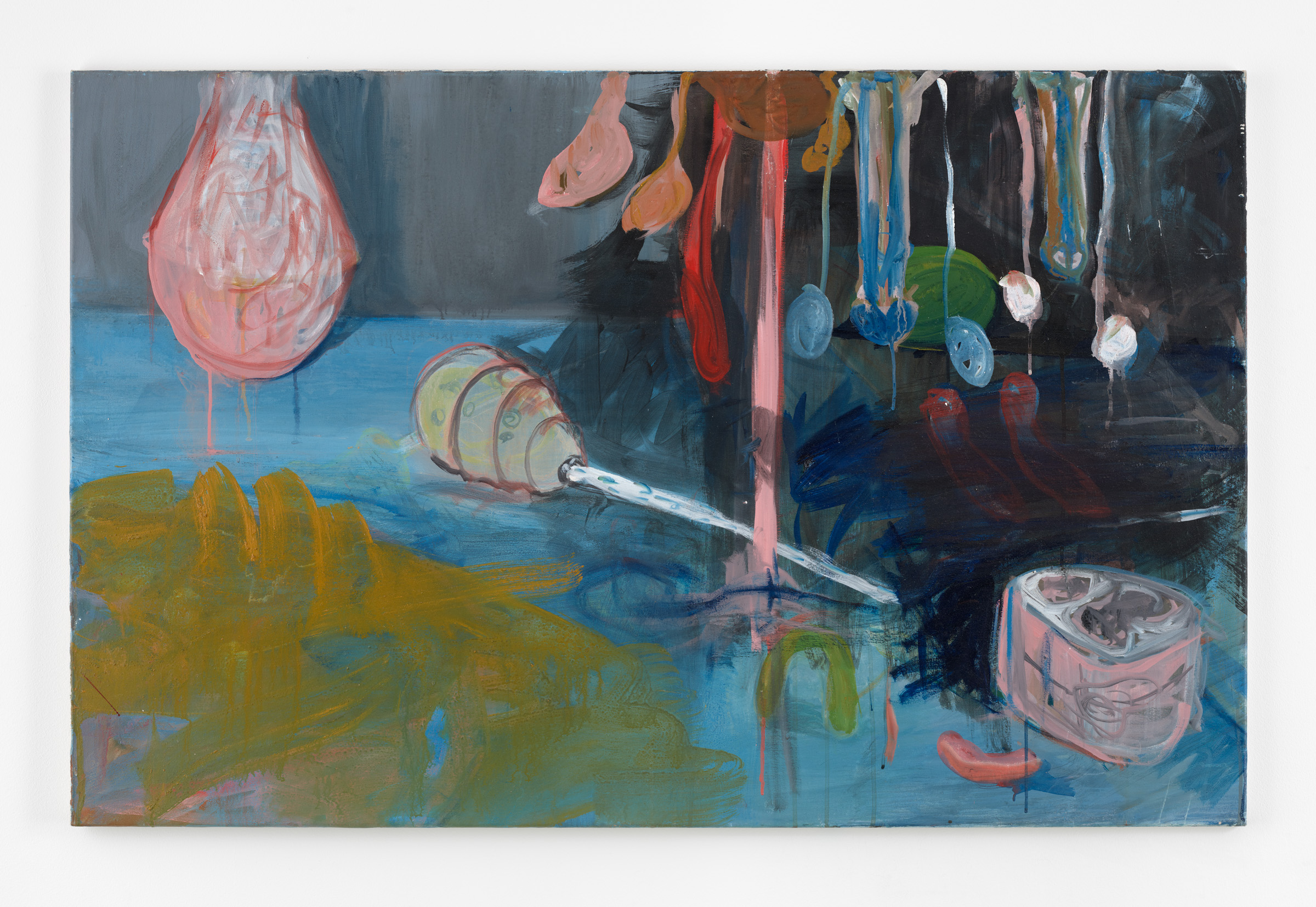
Klein met Wolfgang Tillmans in New York in early 1995 and moved to London in the autumn of 1996, returning to painting — a decision that surprised his peers, for whom the installations and critical theory of the New York years seemed to have definitively superseded the medium. The paintings are surprisingly sincere, even as they carry with them the political concerns of those years.
The London paintings are immediately recognisable and immediately strange. Their subjects are drawn from what Klein described as “aesthetically trivial sources” — posters, advertising photographs, wallpaper, erotic films, family snapshots. At times they recall an advertising image with the product removed, just the memory of having once been sold something remaining.
The figures in these late works are openly part of the landscape, free and exposed — yet such openness is political, a fantasy of security that manicured English Gardens and IKEA interiors both promise and withhold. Klein understood that the desire for beauty is political when beauty is something power withholds, and that even painting resembling a dream of innocence carries within it the knowledge that death is present even in utopia.
– Felix Petty
Jochen Klein (1967 – 1997) was a German artist. Born in Giengen an der Brenz, he studied at the Kunstakademie München as a painter, before moving to New York and joining conceptual art collective Group Material. He came back to Europe in 1996, and returned to painting before his death from AIDS-related pneumonia in 1997.
Klein's work has been the subject of solo exhibitions at the Pinakothek der Moderne, Munich (2008), Galerie Buchholz, New York (2017), and MACRO – Museum of Contemporary Art, Rome (2023). A major monograph, edited by Bernhart Schwenk and Wolfgang Tillmans, was published by Hatje Cantz in 2011.
The exhibition at Between Bridges runs from 1 May to 5 July, 2026.
Installation views
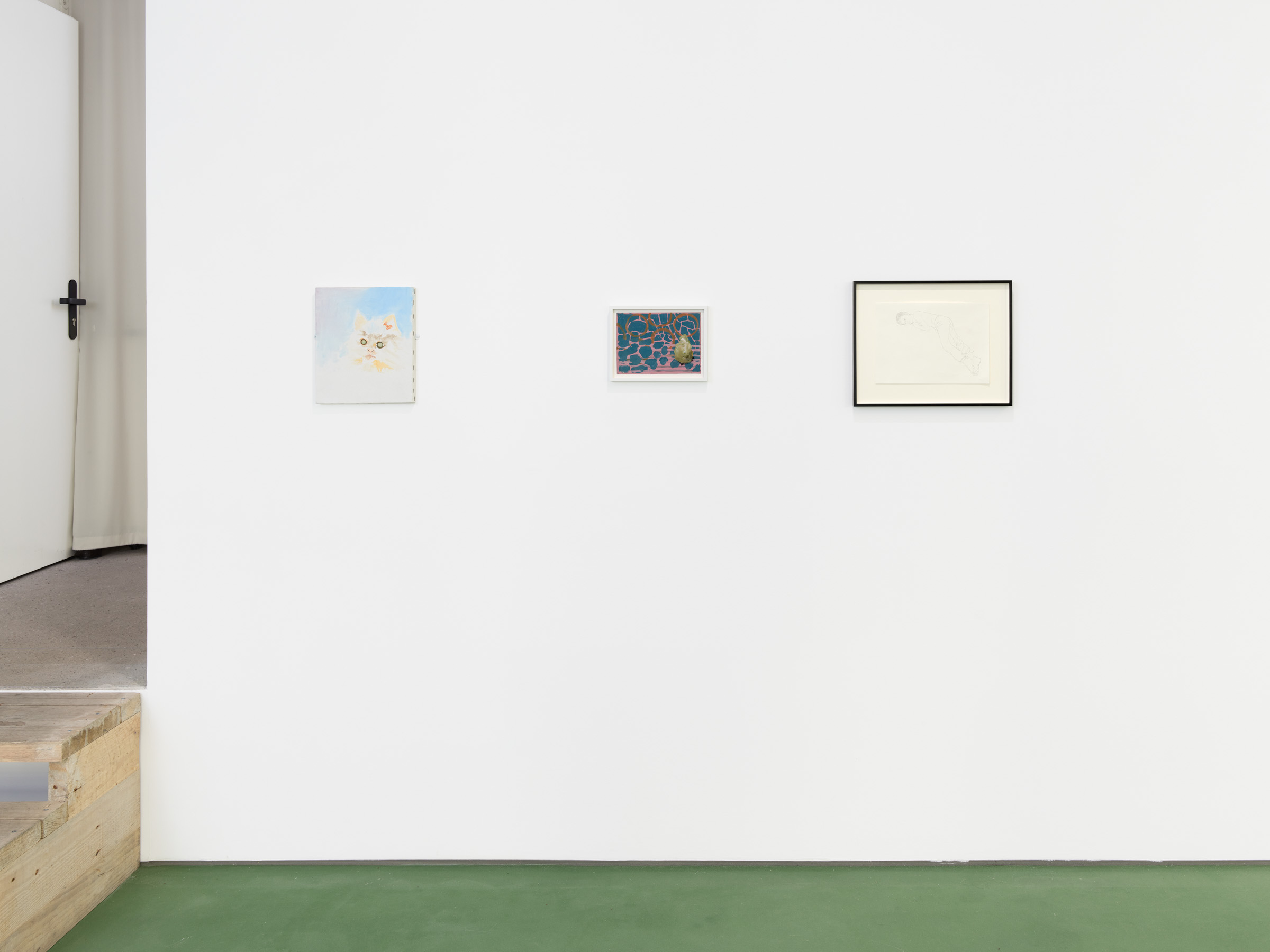
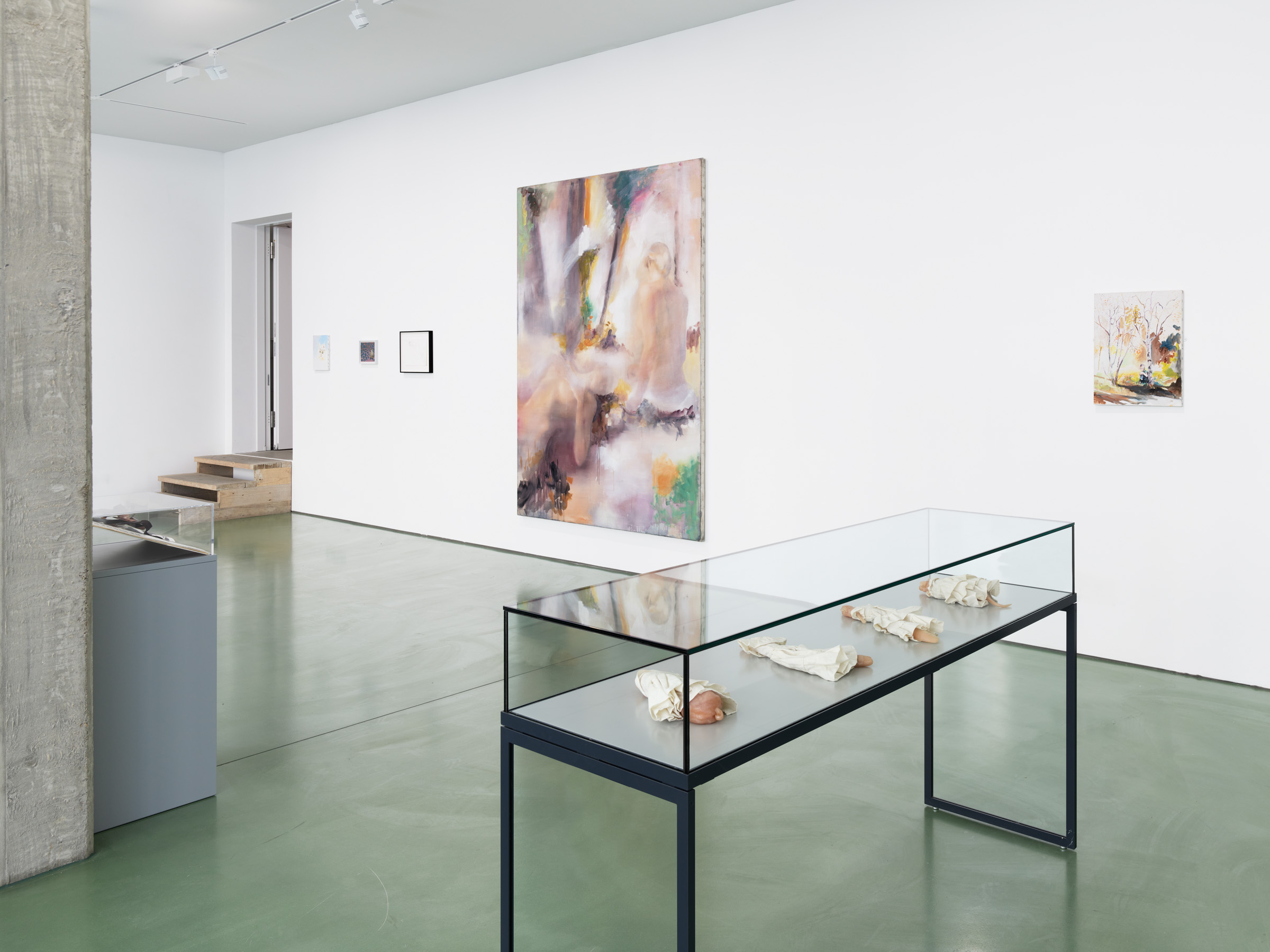
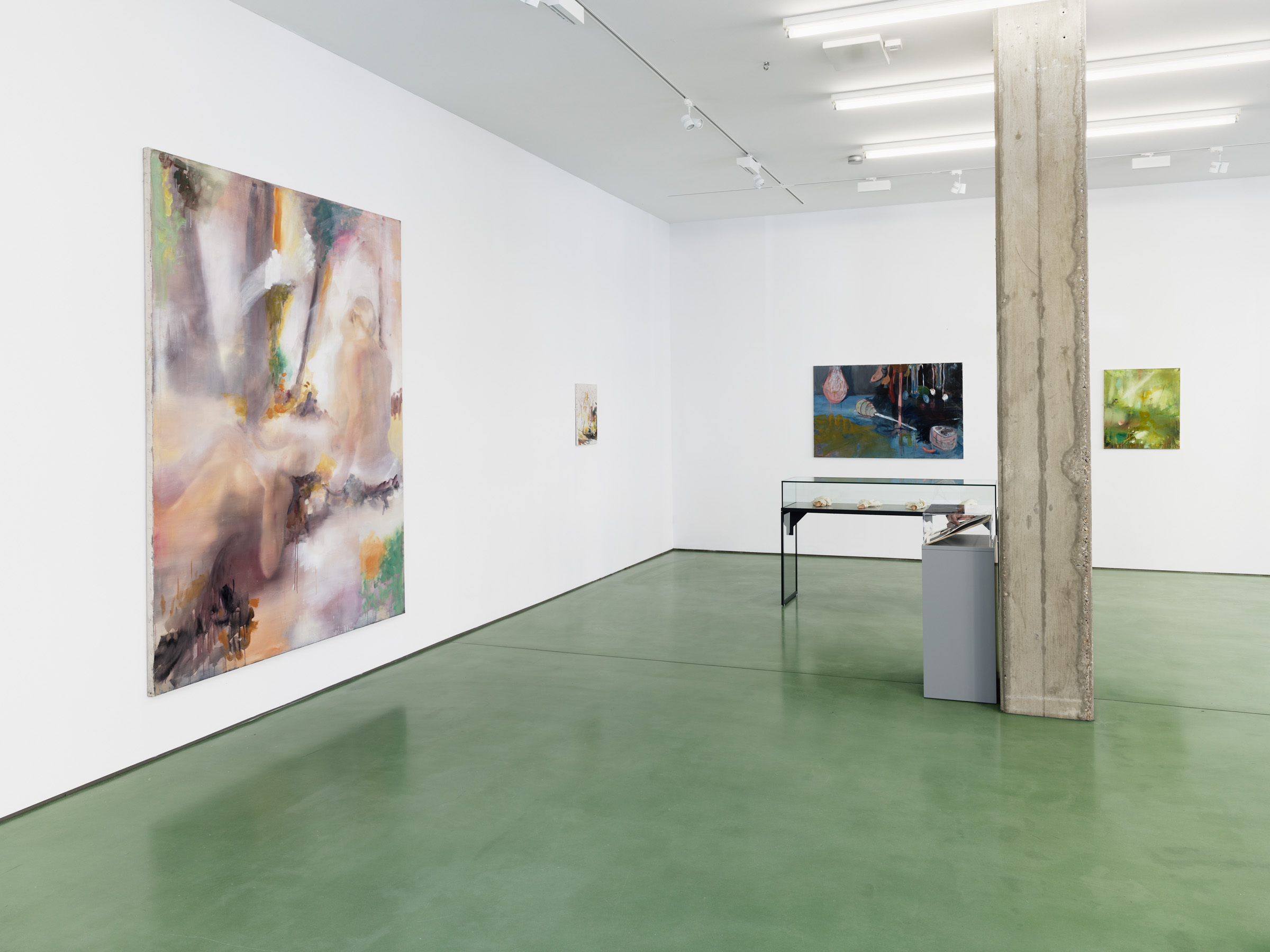
A major publication on Jochen Klein’s work was published spring 2011 by Hatje Cantz with Pinakothek der Moderne, Munich. Essays by Russell Ferguson and Bernhart Schwenk. Please find a download of the book here.
Jochen Klein. Edited by Pinakothek der Moderne, Wolfgang Tillmans, Dr. Bernhart Schwenk. Designed by Wolfgang Tillmans, Federico Martelli. Texts by Dr. Bernhart Schwenk, Russell Ferguson, Thomas Eggerer, Helmut Draxler, Yilmaz Dziewior, Doug Ashford, Ronald Jones, Pia Lanzinger, Anton Sergl, Simon Watney, Matthew Higgs, Michael Krebber, Jutta Koether, Manfred Hermes, Nick Mauss, Jochen Klein. Hatje Cantz, Ostfildern, 2011
German and English. Hardcover, 22.7 × 28.3 cm (8.9 × 11.1 in.), 272 pages.
ISBN:978-3-7757-2808-9 (out of print)
Download
Press on the exhibition
Saša Vukadinović, Vom Unbehagen am Niedlichen, Texte zur Kunst, No.143, September 2025
Beate Scheder, Inneres und Äußerlichkeiten, taz - die Tageszeitung, 21 July 2026
Silja Kummer, Weshalb eine Berliner Stiftung (...), Heidenheimer Zeitung, 23 April 2026